Moroccan clothing

The Moroccan people dress in the traditional robes that have been used in Morocco for centuries.The most universally seen local garments is the djellaba, a loose-fitting outer robe that men and women pull over their garments.

viernes 3 de julio de 2009

Moroccan Jewellery


Moroccan jewels and necklaces are the products of Moroccan artisans,whose work and skill draws on a deep wealth of Moroccan tradition.
They rely on their taste and talent to produce fine works of art, styles and colours. Useing materials traditional in each of their local communities. A skill that as been passed down from generation to generation.

martes 16 de junio de 2009

Moroccan Artisan Carpets


Morocco’s appeal to travelers is Artisan normally available for a decent price. And, for those gifted with the art of bartering a even better price can be achieved. One of the most sought after items in Morocco are carpets. For those armed with the knowledge of what makes a quality carpet and a basic price range to begin the wheeling and dealing, buying a carpet in Morocco can be a rewarding experience (and make your living room look astounding).


Local Moroccan women who make the carpets often are not the ones who end up selling them. In some small villages, where women’s cooperatives exist, the women are involved in pricing and selling process. They might even have set prices, which are what many travelers prefer, especially if they aren’t into bargaining while sipping tea for two or more hours in a crowded medina alleyway.


Therefore, if possible, attempt to visit a local artisanal shop or women’s cooperative to have an idea of what prices are fair for different types of carpets. One type of carpet is the heavy woolen type that is available throughout the country. In Rabat, which is one epicenter for these types of carpets, travelers can search the medina – which happens to be one of the most laid-back souk areas in the entire country. These types of carpets are different than others you’ll find elsewhere in Morocco because of their design that holds true to basic Islamic Art patterns. Usually, these carpets have one central motif that works its way to a highly detailed border. Before looking at a carpets central theme, look over its border. If it is detailed, solid, and thick, then the carpet will cost more money than another without the same outer-edge workmanship.


Knowing the different prices for carpets is quite difficult. The rule goes: If a buyer is happy with the price, then it is a fair price to pay. While this thought process is a little different for western travelers who would rather have something fixed, you’ll begin to understand the mentality better after a few days’ experience in various marketplaces. An old antique carpet that is more than 50 years old, for example, will be worth quite a bit of money, especially if it has been taken care of and withstood the tests of time. Other, more modern carpets may appear bright and illustrious, but their colors will fade over time – something that actually adds to the original look and feel of the piece. Knowing the difference between what chemical and natural (or vegetable) dyes will help.


Overall, a carpet can be judged by how many knots it has per square meter (or yard). Excellent carpets that fetch the highest prices might have nearly 350,000 knots in it per square meter (or about 300,000 per square yard). This type of workmanship is hard to find, but can be had if one looks hard enough. If a carpet vendor claims that their carpets have more knots than this, then you know that it is a far-fetched tale. Additionally, outside of the Rabat region, carpets vary in length, design, and craftsmanship. With hundreds (if not thousands) of types available, it will be dependent upon your taste and ability to spot a well-made piece that determines what sort of carpet you’ll bring home. These patterns will include geometrical patterning and not have outlandish repetitions of the same design. These carpets are often called hanbels or kilims. Other carpets, which are thicker and well made, are called zaneefi designs, while a shoedwi is a type of carpet that is usually made up of mostly black and white designs.


At Shop Morocco we have a wide range of Moroccan Carpets


jueves 11 de junio de 2009

The Kufi Cap


A kufi or kufi cap is a brimless, short, rounded cap. By custom it is most often worn by African people and/or the African diaspora.It is very popular all over the kingdom of Morocco.
The Kufi comes in many colours and decorative patterns.

miércoles 15 de abril de 2009

Moroccan womens dress

A perfect example of the Moroccan fashion revolution towards modern trends displays in the Kaftan. This traditional Moroccan style dress transforms the cumbersome and often weighty fabrics to sheer, free flowing gowns. These lightweight, sleek gowns highlight modern Moroccan fashion moving in the direction of western style modernism. This new fashion allows for freer movement due to the less bulky and sizable fabrics.

Moroccan fashion is not a carbon copy process. Rather, painstaking efforts ensue to present lines of clothing that appeal to all different shapes, sizes and needs of Moroccan women. This begins with exceptional quality fabrics arriving from India, Japan, China, Middle East and France.

Upon arrival, designers and tailors labor over each fabric as if it were their own. Creative energies draw from the fabric as designers and tailors review pliability, sensuality and textures. Fabric colors primarily remain in the chartreuse to rich rust color families. There is a good representation from the gold and silver families as well. In the final creative stages, designers and tailors rely on tribal accessory pieces to bring an outfit together. These pieces represent that which is traditional Moroccan style. Pairing a piece of tradition with a modern style creation bring the overall ensemble from old world charm to new world flare.

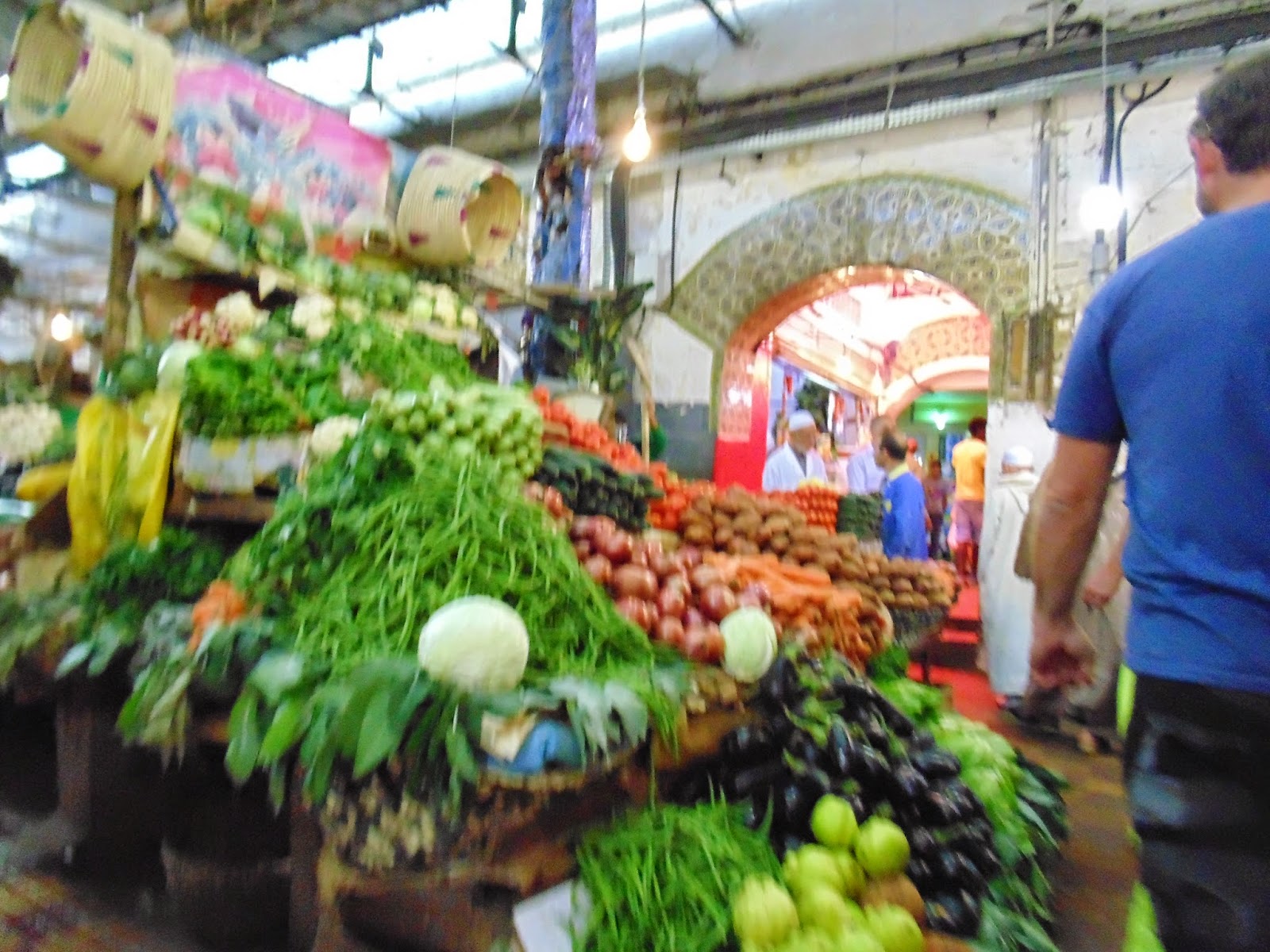
Morocco MarketMoroccan fashion bridges the gap between maintaining traditional values and keeping up with modern styles. Each piece speaks to what Moroccan women want their dress to say about them. The fashion pieces created by the designers and tailors of Morocco execute this to perfection. The fine balance between cultural requirements and present day trends will pave the way for future success in the Moroccan fashion industry.

by Sam Mitchell

miércoles 8 de abril de 2009

Join our affiliate Program


Join Shop Moroccos affilliate program
and earn cash commissions

lunes 2 de marzo de 2009

Moroccan Slippers, Babouche


The Moroccan Slipper or Babouche as been around as long as the djellaba, and are a important part of traditional Moroccan dress.And can be used indoors or out.
Made from leather the babouche very durable and comfortable slipper.Which can last many years.
Yellow is the traditional colour but they also come in almost any colour with as many designs. Womens babouches can be highly decorated with sequins etc.

viernes 20 de febrero de 2009

Djellabas, Djellabas, Gandoras !


Check out Shop Morocco's New stock of Mens Djellabas.Starting for as little as €17.50.
Men and Womens Gandoras Starting for as little as € 9.50.
All quality garments at unbeatable prices.